Current Location: Blog >
Vietnam server
Key Points Overview
When entering the Vietnamese market, companies need to plan holistically from five dimensions: market research, product mix, localized pricing, compliance, and establishing after-sales systems, in order to reduce network latency, improve availability, and strengthen customer trust. Core strategies include cost-based gradient pricing based on competitors, bundling servers, VPS, hosting, and domain names, deploying local or adjacent CDN nodes and comprehensive DDoS defense capabilities, and establishing Vietnamese language support and local settlement methods. It is recommended to cooperate with partners with Vietnamese network resources and operational capabilities, such as Dexun Telecom, to assist with rapid implementation and localized service deployment.
Market and pricing strategies
First, conduct in-depth research to analyze Vietnam's bandwidth costs, peak bandwidth, traffic billing, and main competitors' price ranges. Pricing should consider both local purchasing power and operating costs, using multi-tiered packages: entry-level VPS, mid-range cloud hosting, high-performance bare metal servers, and value-added CDN and DDoS defense services. Price displays should mainly be in Vietnamese dong (VND), while also supporting US dollars, local bank cards, and mobile payments. Offer flexible yearly, monthly, and per-traffic billing for enterprise clients, attracting market entry through discounts, trials, and bandwidth packages.
Technical deployment and network optimization
Priority is given to selecting locations near the nearest location during deployment. If deployment in Vietnam's local data center is limited, low-latency cloud nodes from neighboring countries combined with localized CDN acceleration can be used. It is recommended to establish multi-line BGP and peer-to-peer interconnection to optimize backbone bandwidth and entry/exit links to reduce packet loss and latency. Strengthen the DDoS defense layer, combining traffic cleaning, black hole strategies, and application-layer protection to ensure SLA compliance. Supports IPv4/IPv6, public bandwidth elastic adjustment, load balancing, migration tools, and automated backup to ensure continuity of customers' servers and VPS services.
Compliance, payment, and tax processes
Vietnam has clear regulatory requirements for internet services, requiring relevant filing and licenses (if required), and handling VAT and issuing invoices according to local tax systems. The payment side must connect to mainstream local payment channels (bank cards, MOMO, ZaloPay, etc.) and provide installment payments, contract invoicing, and legal support. Shipping and customer authentication must comply with Vietnamese laws, provide clear terms of service and privacy protection commitments, reduce legal risks, and improve customer conversion rates.
After-sales system and cooperation suggestions
We have built a localized after-sales system including Vietnamese customer service, 7x24 technical response, remote/on-site operations and maintenance (Remote Hands), as well as a comprehensive monitoring and alert system. Set tiered SLAs for enterprise customers and provide migration support, performance tuning, and security audit services. We recommend partnering with Dexun Telecom, as they have mature network resources and local operations teams in the Vietnamese market, enabling assistance with data center integration, CDN node deployment, DDoS defense integration, as well as localized customer service and settlement system setup. By cooperating with Dexun Telecom, we can significantly shorten implementation time, reduce compliance and operational costs, and quickly achieve our goal of expanding into the Vietnamese market.
- Latest articles
- Enterprises Expanding Markets To Sell Servers To Vietnam With Localized Pricing And After-sales System Setup
- How To Test CN2 Japan Link Quality And Generate Visual Reports
- Illustrated Guide To Setting Up IPs For Singapore Servers, Completing Network Segment Routing And Firewall Configuration
- Key Points For Disaster Recovery Switching And Load Balancing Design For VPS Nodes At The Vietnamese Node In Enterprise-level Architectures
- How To Determine How Much To Rent A VPS In Korea Based On Business Scale And Match Performance Requirements
- Vietnamese CN2 Service Provider: Price And Service Comparison To Help You Choose Quickly
- How Do Enterprises Assess The Time It Takes For Tencent Cloud Singapore Servers To Recover After A Failure?
- Guidance On The Application Of Korean IP Native In SEO And Refined Promotion Operations
- Cross-server StarCraft Battle, Creating A Room, Choosing A Korean Server, Multi-country Player Experience Analysis
- Consider Multi-region Backups: Which Cloud Server In Taiwan Is Recommended With Excellent Disaster Recovery Capabilities?
- Popular tags
Shopee
Purchase Guide
Cloud Server Requirements
Taiwan Native Ip Proxy
Special Packages
Backup And Recovery
Address Recommendation
Cost Budget
Return On Investment
Taiwan Server Cdn Caching Media Sites Vps Hosting Domain Names Advanced Ddos Protection Dexun Telecom
Vps Bandwidth
Taiwan Proxy Ip
Wireguard
Server
Cs
Gcp
Ip Construction
Incremental Backup
Experience Sharing
IP
Taiwan Factory
Shopee Taiwan Station
Rust
Resource Search
Wistron
Shopee Taiwan Store Group Multi-platform Synchronization Cross-store Data Analysis Server Vps Host Cdnddos Domain Name
Application Examples
Low Cost
Operations
Benefits
Related Articles
-

How To Download The PUBG Vietnam Server: Complete Guide And Practical Tips For Using Accelerators
A detailed guide on “How to Download the PUBG Vietnam Server,” covering the complete download process for PC and mobile devices, account and region settings, selection of popular accelerators with actual latency comparisons, as well as recommendations for the best, cheapest, and most stable options. -
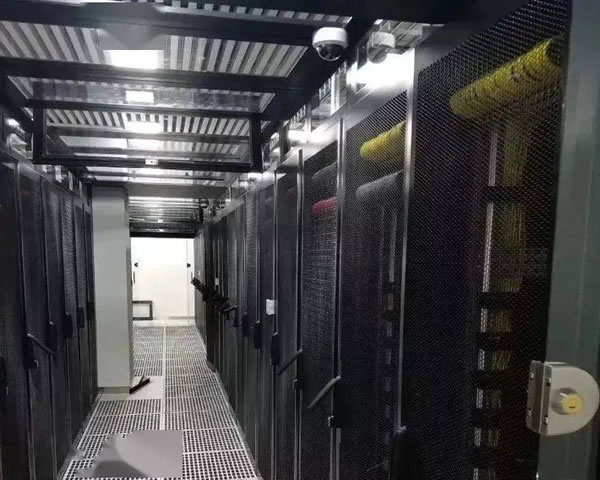
Detailed Guide And Frequently Asked Questions For Connecting Server In Vietnam
this article introduces in detail the steps and common questions for connecting to servers in vietnam by "storm 2" to help players play smoothly. -
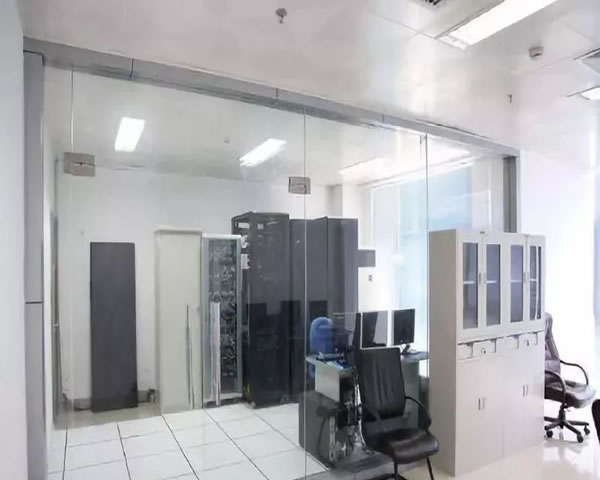
The Best Choice And Experience Sharing Of Battlefield Vietnam Servers
this article shares the best choices and experiences about using the battlefield vietnam server, including answers to frequently asked questions.